Exhibitions
Picasso for Asia—A Conversation Opens at M+ Hong Kong
M+ stages Picasso for Asia with 60+ Picasso works and ~130 Asian pieces through July 13, 2025, with Musée Picasso-Paris.
By Unjica Editorial
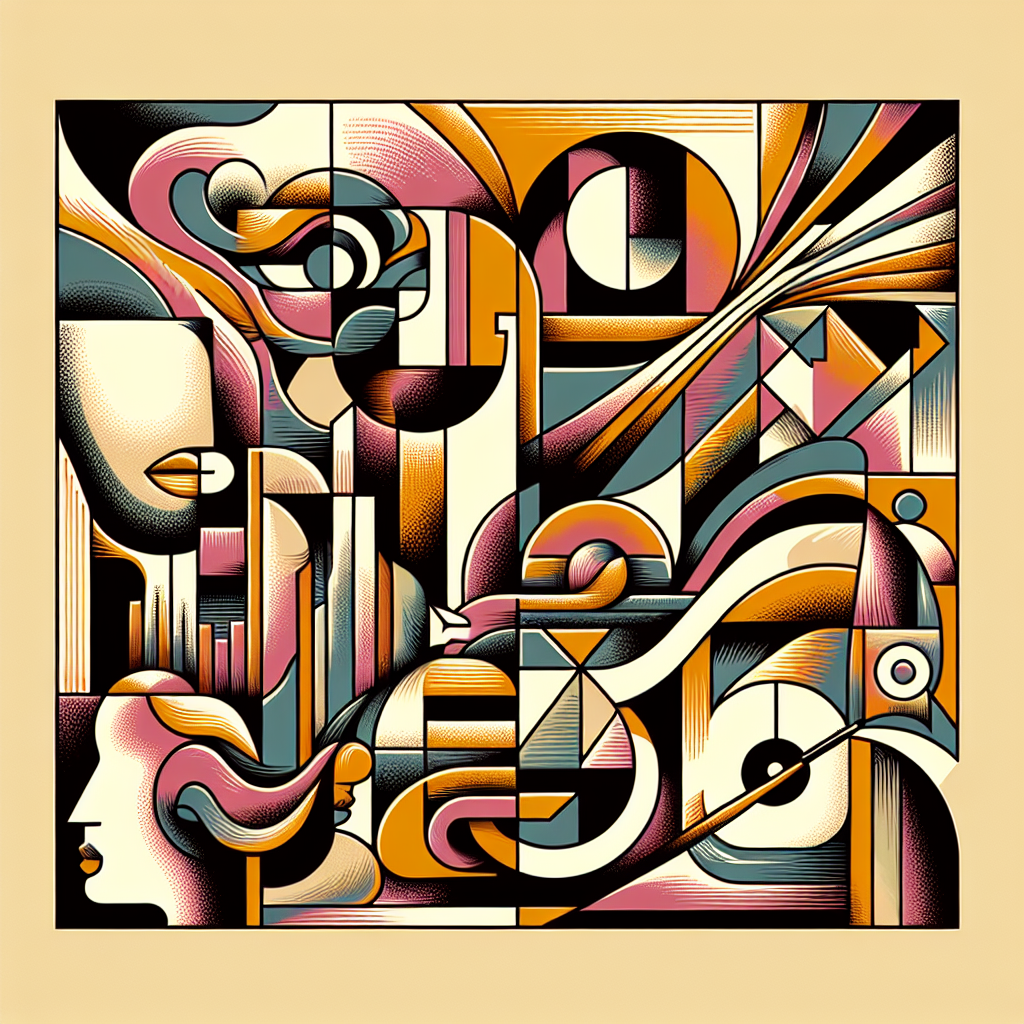
**The Hong Kong Jockey Club Series: Picasso for Asia—A Conversation**, at M+ in West Kowloon, positions Pablo Picasso not only as a twentieth-century protagonist but as a continuing reference point for artists across Asia and the diaspora. On view from March 15 through July 13, 2025, the exhibition assembled by the museum’s curatorial team includes more than sixty works by Picasso and approximately 130 works by Asian and Asian-diasporic artists, spanning nearly a century of cross-cultural exchange.
Organized into four thematic “archetypes”—including **The Genius** and **The Apprentice**—the show examines how Picasso’s celebrity, technical virtuosity, and uneven borrowings from non-Western sources have been received, resisted, and reimagined. Juxtapositions are explicit: Picasso’s **Dead Birds** speaks to Luis Chan’s **Cubist Sea Shore** (1959); **The Acrobat** (1930) converses with Isamu Noguchi’s **Strange Bird**; contemporary positions include Simon Fujiwara’s 2024 painting responding to Picasso’s **Massacre in Korea**. Gu Dexin’s 1980s **Untitled** painting, with its hybrid creatures and fractured anatomy, extends Picasso’s surreal bodily disassembly into another visual grammar entirely.
For M+, the project is institutional as much as art-historical. It marks the first major Picasso presentation in Hong Kong in more than a decade and represents a significant collaboration with the Musée national Picasso-Paris, which lent key works such as **Portrait of Dora Maar** (1937) and **Figures by the Sea** (1931). Museum director Suhanya Raffel framed the stakes in global terms: “Picasso For Asia demonstrates how cross-cultural collaboration can create new narratives and perspectives that enrich discussions in world art history.” Chief curator and artistic director Doryun Chong emphasized critical resonance: “We present a rich and critical dialogue with great resonance, as we delve into deeply pertinent questions relevant not only to Asia and the West, but to the world.”
Rather than treating influence as one-directional homage, the exhibition tracks critique as well as admiration—particularly around Picasso’s engagement with African sculpture and the politics of modernist primitivism. At scale, the presentation asks whether Picasso remains an unavoidable master key for modern art outside Europe, or whether Asian modernisms generate independent genealogies that merely intersect with his at selective moments.
In Hong Kong’s museum landscape, where M+ has quickly become a hub for comparative modern and contemporary histories, **Picasso for Asia** offers a stress test for how a Western canon figure reads when embedded in majority-Asian display contexts—and how contemporary artists answer back on their own terms.
modern artart digestexhibitioninstallation
About the author
Unjica Editorial
Curated art news and analysis from the Unjica editorial team.
Reader response
Comments (0)
Share your thoughts on this piece. Thoughtful, art-focused discussion is welcome.
A
No comments yet. Be the first to respond to this artwork.