Artist
Ben Shahn Retrospective at Jewish Museum Reopens Politics-versus-Painting Debate
“Ben Shahn, On Nonconformity” at the Jewish Museum asks whether contemporary audiences prize Shahn’s progressive politics over the formal power of his line and tempera painting.
By Unjica Editorial
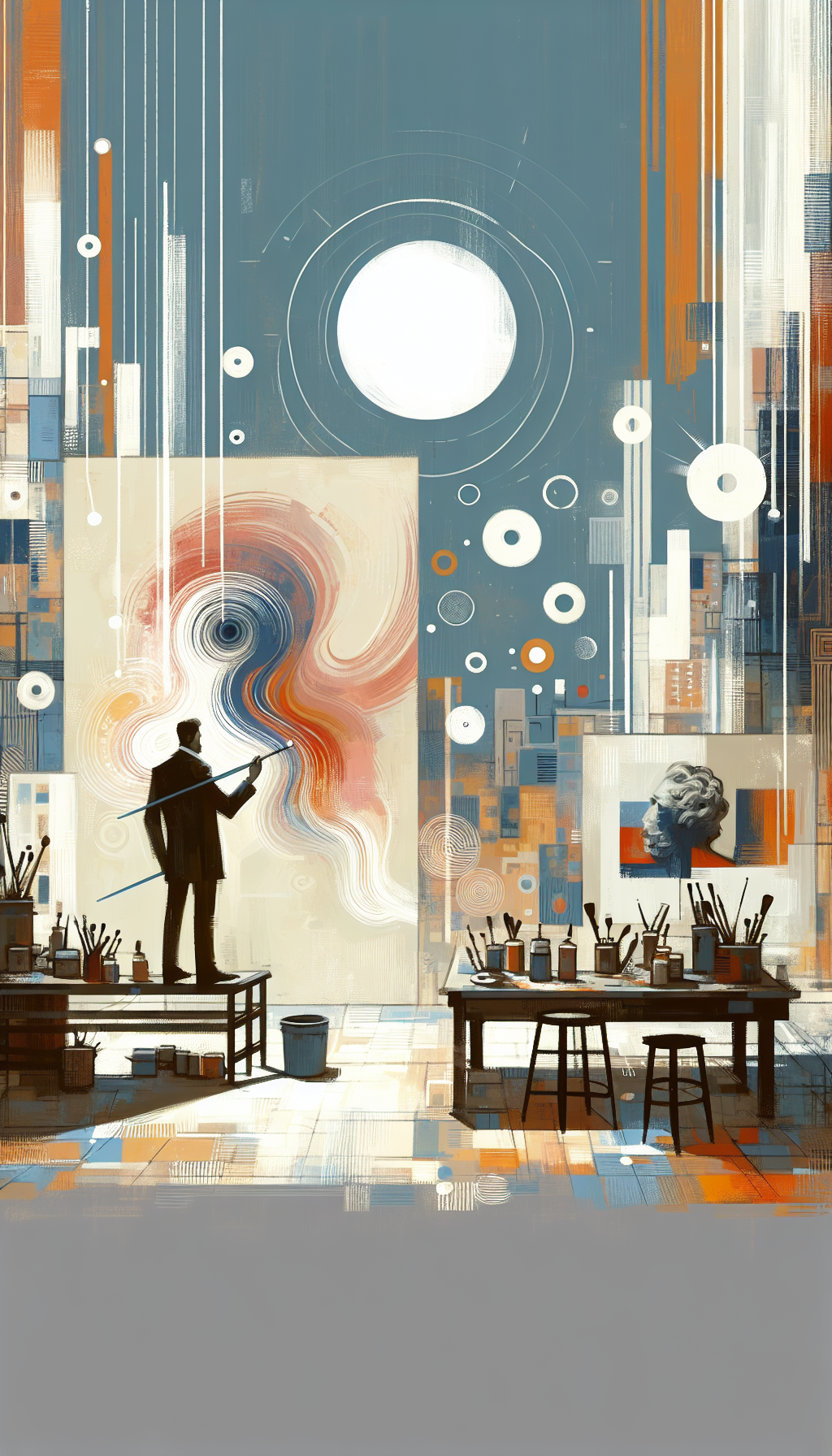
**Ben Shahn, On Nonconformity** at the Jewish Museum is the first American retrospective of Ben Shahn since 1978—and, according to *The New Yorker*, it had difficulty finding a U.S. venue after debuting at Madrid’s Museo Reina Sofía in 2023. Curators frame the artist through contemporary diversity and equity perspectives; critic Zachary Fine argues the show shocks Shahn back to life as an exemplary progressive while sidestepping why his work once commanded mass attention.
From the late 1940s through the mid-1950s, Shahn was among America’s most visible artists—his imagery appeared on post office walls, in magazines, and on CBS broadcasts. Yet his social realist tempera was rarely soothing. Fine describes him as an adman with leftist convictions who distilled emotion into compact visual symbols: a clenched fist, a furrowed brow.
The exhibition opens with *The Passion of Sacco and Vanzetti* (1931–32), mounted so it can be read from Ninety-second Street before entering. Depression-era photography, shaped while sharing a studio with Walker Evans, later fed a symbolic realism in painting. Works such as *Summertime* (1949) and *Epoch* (1950) complicate the picture of Shahn as a one-dimensional political painter.
As Abstract Expressionism rose after 1947, Shahn’s mid-career MoMA crown gave way to newer idioms. Fine’s central question remains unanswered in the galleries: why audiences once cared intensely about his art—and whether politics alone can restore that urgency today.
modern artart digestartistinstallation
About the author
Unjica Editorial
Curated art news and analysis from the Unjica editorial team.
Reader response
Comments (0)
Share your thoughts on this piece. Thoughtful, art-focused discussion is welcome.
A
No comments yet. Be the first to respond to this artwork.