Artist
Yoko Ono: Music of the Mind Brings 200 Works to MCA Chicago
Yoko Ono: Music of the Mind, the Tate Modern hit, is the only U.S. stop for a 200-work survey at MCA Chicago through Feb 22, 2026.
By Unjica Editorial
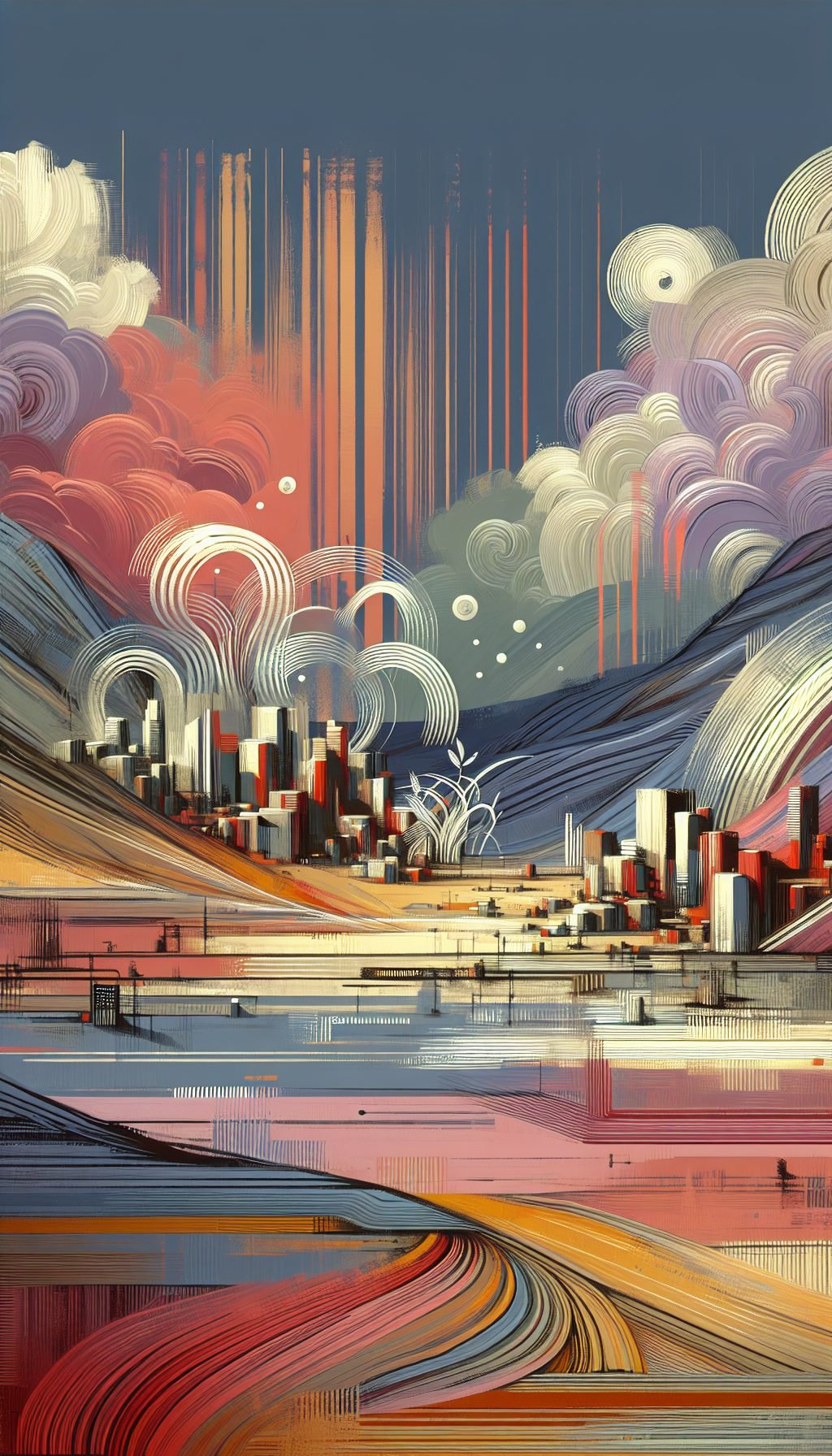
After a record-breaking presentation at Tate Modern in London, **Yoko Ono: Music of the Mind** has arrived at the Museum of Contemporary Art (MCA) Chicago—the exhibition’s exclusive U.S. venue and the most comprehensive stateside survey of Ono’s career to date. Gathering more than 200 works across performance, instruction, film, music, and activism, the show opened October 18, 2025, and remains on view through February 22, 2026.
The exhibition underscores a central challenge of writing Ono’s history: she resists medium-specific categories. Since the mid-1950s she has moved between instruction-based scores, Fluxus objects, conceptual film, and avant-garde music, often collapsing the boundary between artwork and audience action. Historic touchstones reappear throughout the galleries, including **Cut Piece** (1964), the performance in which viewers cut away the artist’s clothing; **Grapefruit** (1964), her book of poetic instructions; and early sculptures such as **Glass Hammer** (1967), which inverts the tool’s everyday function.
Participatory works anchor the contemporary sections. **Add Color (Refugee Boat)**—first conceived in the 1960s and restaged in recent years—invites visitors to mark a white boat and surrounding walls in blue, transforming blank surfaces into a dense field that evokes waterways crossed by migrants and refugees. **Helmets (Pieces of Sky)** (2001) suspends inverted World War II helmets from the ceiling, each holding blue puzzle pieces printed with sky imagery that viewers may take home. **White Chess Set** turns strategy into deliberate difficulty by giving every chess piece the same color.
MCA senior curator Jamillah James situates Ono within expanded definitions of contemporary practice: “Yoko Ono is a wildly influential and significant figure in performance, conceptualism, music, and activism,” James said in exhibition materials. “She has inspired generations of audiences to think differently about the everyday and seeing art.” Chicago musician Tatsu Aoki, who has collaborated with Ono, compared the show’s revelatory potential to MCA’s 2014 David Bowie survey—works that reveal how much of an artist’s output sits outside familiar pop narratives.
Music of the Mind is not framed as a sonic spectacle alone. Its title signals cognition, instruction, and collective imagination: art that asks how attention, ethics, and play can be reorganized in public space. For Chicago audiences, the presentation offers a rare opportunity to encounter the full arc of Ono’s influence—from Fluxus provocation to ongoing peace and refugee-related participatory installations—within a single museum circuit.
modern artart digestartistinstallationmuseum
About the author
Unjica Editorial
Curated art news and analysis from the Unjica editorial team.
Reader response
Comments (0)
Share your thoughts on this piece. Thoughtful, art-focused discussion is welcome.
A
No comments yet. Be the first to respond to this artwork.